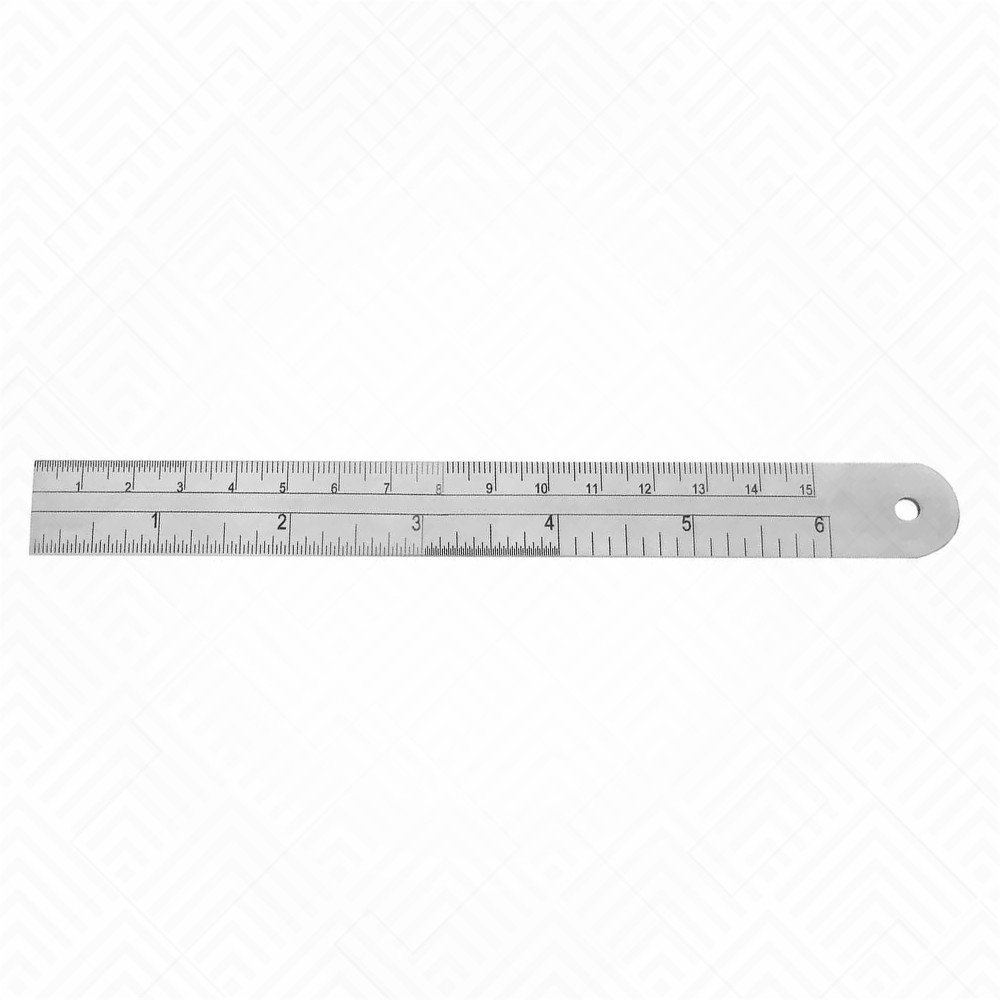
Precision defines the difference between a good surgical outcome and a perfect one. Every incision, graft, and excision requires exact measurements to ensure patient safety and aesthetic success. While modern technology offers digital imaging and complex navigational tools, the humble manual measuring instrument remains a staple in every operating theater. Surgeons frequently rely on a compact ruler 6 cm to make quick, precise verifications during delicate procedures. This simple tool allows for immediate assessment of lesion sizes, incision lengths, and anatomical distances without the need for cumbersome equipment. The ability to verify measurements instantly at the operating table provides surgeons with the confidence needed to proceed with complex tasks.
Why Small Scale Measurement Matters in Medicine
In many surgical specialties, vast measuring tapes or long rulers are simply impractical and unnecessary. Ophthalmic surgery, plastic surgery, and dermatology often deal with working fields that are incredibly small. A large instrument can obstruct the view or compromise the sterile field by touching non-sterile areas. This is where the specific utility of a ruler 6 cm becomes apparent. Its compact size allows it to fit comfortably within a microsurgery tray or a basic suture kit without overcrowding the instrument stand. Medical professionals prefer this size because it offers sufficient length for most localized tissue measurements while remaining unobtrusive during fine motor tasks.
Material Quality and Sterilization Standards
Surgical instruments must withstand rigorous sterilization processes to maintain aseptic standards. Manufacturers typically craft these measuring tools from high-grade stainless steel to ensure durability and resistance to corrosion. A plastic ruler would warp or melt under the high heat of an autoclave, rendering it useless after a single procedure. Stainless steel ensures that the markings remain etched and legible even after repeated exposure to chemical cleaners and steam sterilization. When a surgeon reaches for a ruler 6 cm, they expect rigidity and reliability. The steel construction also adds a necessary weight and tactile feedback, preventing the tool from slipping during critical measurements on wet or uneven tissue surfaces.
Educational Value for Medical Students
The journey to becoming a skilled surgeon begins with understanding anatomy and spatial relationships. Medical students spend countless hours in dissection labs and simulation centers learning how to estimate distances and sizes accurately. Early training emphasizes that guessing is never an option when a patient’s health is at stake. Students utilize small measuring tools to verify their visual estimates and train their eyes to recognize standard dimensions. By consistently using a ruler 6 cm during their formative years, future healthcare providers develop an intuitive sense of scale. This practice helps them internalize the difference between a millimeter and a centimeter, a skill that eventually becomes second nature in their professional careers.
Commitment to Professional Excellence
Choosing the right instruments is a reflection of a medical professional's dedication to their craft. New Med Instruments seeks to provide quality Surgical instruments and superior service to Surgeons, Students and healthcare Professionals all over the world, who value perfect and precise results for their patients. This mission drives the production of even the smallest tools, ensuring they meet the exacting standards of the medical community. When a manufacturer prioritizes quality in basic items like measuring scales, it demonstrates an understanding of the holistic nature of surgery. Every tool, regardless of its complexity, contributes to the final result, and high-quality manufacturing ensures that these contributions are always positive.
Applications in Plastic and Reconstructive Surgery
Plastic and reconstructive surgery relies heavily on symmetry and proportion. Surgeons in this field act as artists who must adhere to strict biological rules. When planning a flap or verifying the symmetry of a facial procedure, the margin for error is non-existent. A slight deviation in measurement can lead to noticeable scarring or functional impairment. The ruler 6 cm serves as a vital guide for these intricate adjustments. It allows the surgeon to mark out precise geometric shapes on the skin before making an incision, ensuring that donor sites and graft sites match perfectly. This attention to detail minimizes tissue waste and promotes faster, cleaner healing for the patient.
Conclusion and Final Thoughts
The demand for precision in healthcare will never diminish. As surgical techniques evolve, the need for reliable, standard verification tools remains constant. Whether it is a seasoned neurosurgeon checking the size of a craniotomy or a dermatology resident measuring a suspicious mole, the accuracy of their tools is paramount. Investing in high-quality stainless steel instruments ensures that these measurements are always correct. A dependable ruler 6 cm is more than just a piece of metal; it is a symbol of the exactitude and care that defines the medical profession. Professionals who equip themselves with the best tools position themselves to deliver the best possible care to those they serve.